
O Level Pakistan Studies Books Available
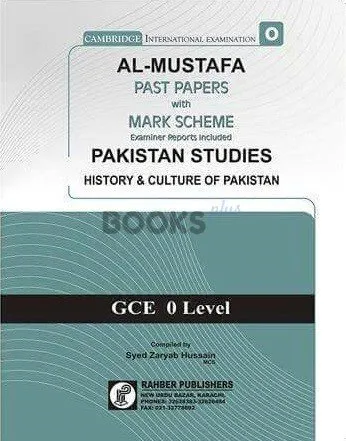
Al Mustafa O Level Pak Studies P1 Unsolved Upto Nov 2021
Original price was: ₨1,400.00.₨1,250.00Current price is: ₨1,250.00.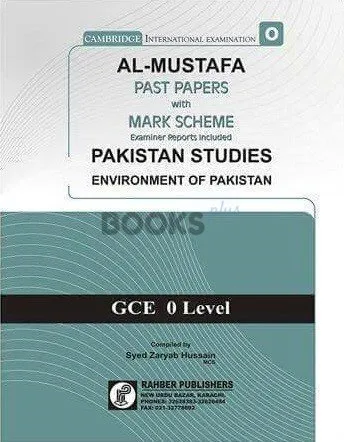
Al Mustafa O Level Pak Studies P2 Unsolved Upto Nov 2021
Original price was: ₨1,850.00.₨1,600.00Current price is: ₨1,600.00.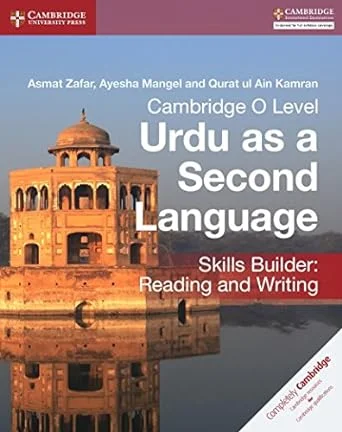
Cambridge O Level Urdu as a Second Language Skills Builder Reading and Writing
Original price was: ₨3,000.00.₨2,600.00Current price is: ₨2,600.00.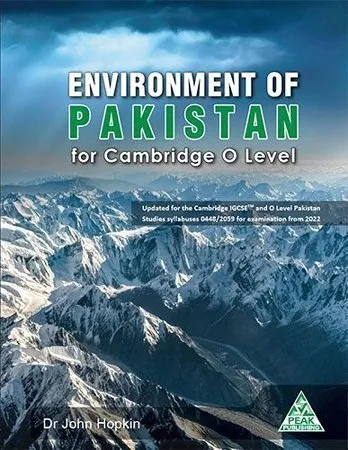
Environment of Pakistan for Cambridge O Level
Original price was: ₨3,000.00.₨2,650.00Current price is: ₨2,650.00.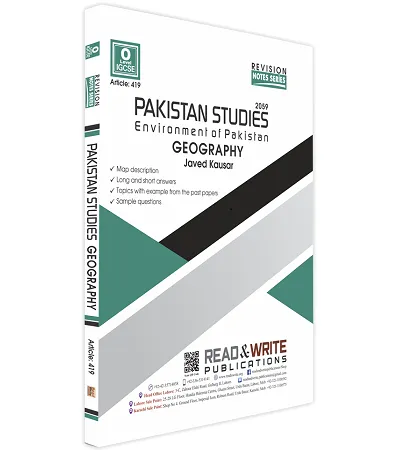
Environment of Pakistan Geography P2 Revision Notes Art #419
Original price was: ₨1,100.00.₨950.00Current price is: ₨950.00.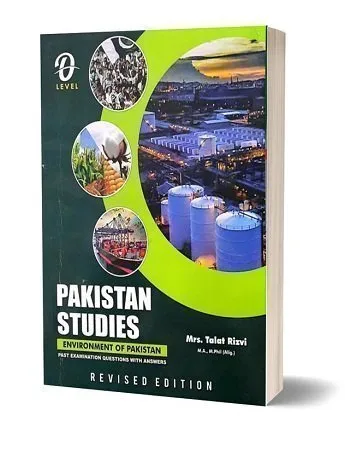
O Level Pakistan Studies Geography Topical Solved Talat Rizvi Latest
Original price was: ₨1,600.00.₨1,350.00Current price is: ₨1,350.00.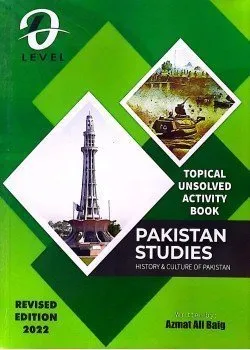
O Level Pakistan Studies History Activity Unsolved Topical Papers by Azmat Ali
Original price was: ₨2,000.00.₨1,700.00Current price is: ₨1,700.00.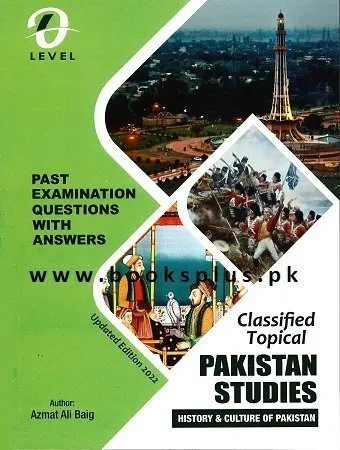
O Level Pakistan Studies History Classified Topical Solved by Azmat Ali
Original price was: ₨1,400.00.₨1,100.00Current price is: ₨1,100.00.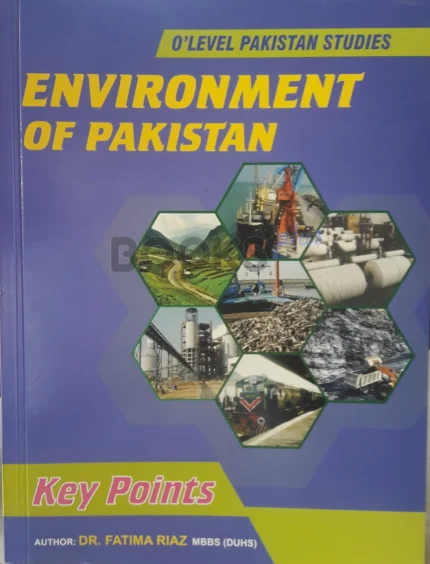
O Level Pakistan Studies P2 Environment of Pakistan Key Points by Dr Fatima Riaz
Original price was: ₨1,500.00.₨1,200.00Current price is: ₨1,200.00.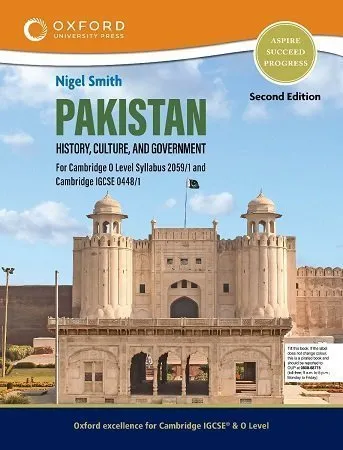
Oxford Pakistan History Culture and Government 2nd Edition
Original price was: ₨2,500.00.₨2,050.00Current price is: ₨2,050.00.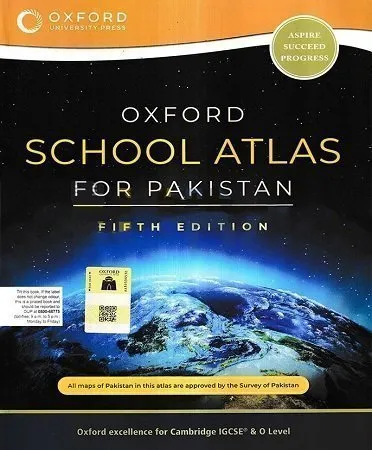
Oxford School Atlas for Pakistan 5th Edition
Original price was: ₨1,650.00.₨1,450.00Current price is: ₨1,450.00.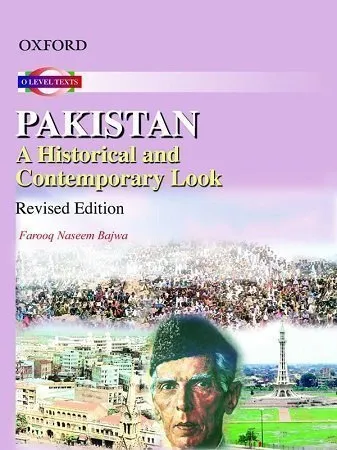
Pakistan A Historical & Contemporary Look Revised Oxford
Original price was: ₨1,200.00.₨800.00Current price is: ₨800.00.O Level Pakistan Studies Books in Pakistan — Cambridge O Level Preparation
O Level Pakistan Studies is the subject most Pakistani students take because it's required — and prepare for least seriously because it feels familiar. History and geography of your own country, you already know this. That assumption is where most students go wrong. Cambridge O Level Pakistan Studies tests precise specific knowledge of Pakistani history, geography, and economic development in a format that requires detailed factual accuracy and analytical thinking — not general awareness of the country you live in.
What Cambridge O Level Pakistan Studies Actually Tests
Cambridge O Level Pakistan Studies 2059 covers two papers — history and culture of Pakistan, and the environment of Pakistan.
Paper 1 is history and culture — the independence movement, the creation of Pakistan, political development from 1947 to the present, and the cultural heritage of Pakistan. Questions test detailed knowledge of specific events, their causes, their consequences, and their significance. Students who know Pakistani history generally without knowing specific dates, names, decisions, and outcomes find examination questions considerably harder than topic familiarity suggests.
Source-based questions in Paper 1 require students to read historical sources — speeches, documents, photographs, cartoons — and answer questions about their content, purpose, and reliability. These questions catch students who haven't practiced source analysis specifically. Reading a historical source and identifying its message is different from reading a historical source and evaluating whether it's reliable, who produced it and why, and what its limitations are as historical evidence.
Paper 2 is the environment of Pakistan — physical geography, agriculture, industry, population, and development. Map work questions appear consistently — students who can't read and interpret maps of Pakistan, identify geographical features, and use map evidence to answer questions lose marks that straightforward map practice would have secured.
History Component — What Specific Detail Cambridge Requires
Independence movement questions appear in almost every past paper. And they go deeper than most students prepare for. It's not enough to know Pakistan was created in 1947. Cambridge wants specific detail — the Lahore Resolution 1940, who proposed it, what it actually said, why it mattered. The Cabinet Mission Plan 1946 — what it proposed, who rejected it, what happened because of that rejection. The Radcliffe Award — what it decided, why partition was so contested, what the immediate human consequences were. Students who know these events at a general level run out of marks fast on questions that specifically ask for this detail.
Students who know these events happened without knowing the precise details Cambridge questions ask about lose marks on every question that requires specific factual accuracy. Pakistani history as taught in school and Pakistani history as tested by Cambridge are not always the same thing in terms of the detail and analytical depth required.
Source evaluation questions specifically test historical thinking skills that most Pakistani students haven't developed through school history. Is the source reliable? Consider who produced it, when, for what purpose, and what they might have left out or exaggerated. A speech by Jinnah is a primary source — but it was produced to persuade, which affects what it emphasizes and what it omits. Students who only describe what sources say without evaluating their reliability and limitations lose evaluation marks consistently.
Geography Component — More Technical Than Expected
Paper 2 geography catches students who expected descriptive questions about Pakistani landscapes. Cambridge O Level Pakistan Studies geography is more technical than that — climate patterns, river systems, agricultural methods, industrial development, population distribution, and development indicators all tested through questions that require precise geographical knowledge and data interpretation skills.
Climate questions test understanding of monsoon patterns, regional climate variation, and the factors that cause them — not just that Pakistan has hot summers. River system questions test knowledge of the Indus basin irrigation system — canal systems, barrages, tributaries — in enough detail that students who only know the Indus River exists find map and diagram questions harder than expected.
Agriculture questions test knowledge of specific crops — wheat, cotton, rice, sugarcane — their growing regions, seasonal patterns, and the challenges Pakistani agriculture faces. Industrial questions test knowledge of specific industries — textiles, cement, sugar — their locations and the factors that determine them.
Map work appears in Paper 2 consistently. Students who practice reading and interpreting maps of Pakistan — identifying provinces, major cities, rivers, mountain ranges, and agricultural regions from maps — perform better on map questions than those who studied geography without ever working with actual maps.
Source-Based Questions — The Skill That Separates Grades
Source-based questions in Paper 1 require a specific analytical approach that most Pakistani O Level students haven't developed through school history. The questions follow a pattern — what does the source tell us, what is the purpose of the source, how reliable is the source, what does the source not tell us — and each requires a different type of thinking.
What the source tells us — content comprehension. What it doesn't tell us — identifying limitations and omissions. Why it was produced — understanding purpose and bias. How reliable it is — evaluating the source against its context and purpose. Students who answer all four types of question the same way — by describing what the source says — lose marks on every question except the first.
Practicing source-based questions specifically, with past papers and mark schemes, is the only preparation that builds these skills consistently. Reading more Pakistani history doesn't develop source analysis ability — practicing source analysis questions does.
O Level Pakistan Studies & History — Related Subjects
Students taking both Pakistan Studies and History at O Level find significant content overlap — the independence movement appears in both, and the source analysis skills developed in History directly support Pakistan Studies Paper 1 performance. Our O Level & IGCSE Books section has preparation material across humanities subjects for students combining both.
O Level Pakistan Studies & Geography
Pakistan Studies Paper 2 geography overlaps with O Level Geography in physical geography concepts — climate, rivers, population. Students taking both subjects find preparation for one supports the other in these areas. Our O Level & IGCSE Books section has preparation material for students combining Pakistan Studies with Geography.
Pakistan Studies Notes & Past Papers — Custom Printing Available
Some O Level Pakistan Studies students prefer studying from printed and bound notes rather than screens — particularly for history revision where timelines, source documents, and chronological summaries are easier to review from physical pages. Students who have PDF notes, compiled past paper collections, or revision material in digital format can have them printed and bound through our custom book printing service. Printed revision material for Pakistan Studies history and geography both — organized the way you need it, bound properly for extended use during preparation.
Ordering — What to Know
Cash on delivery available across all cities in Pakistan — Karachi, Lahore, Islamabad, Peshawar, Quetta, Multan, Faisalabad and everywhere else. Dispatch within 2 to 3 working days. Returns within 7 days if something doesn't match your syllabus or examination session.
Common Questions O Level Pakistan Studies Students Ask
Is general knowledge of Pakistan enough for O Level Pakistan Studies? No — Cambridge tests precise specific knowledge of events, dates, decisions, and geographical details. General awareness helps but targeted examination preparation is still necessary.
Which component is harder? Depends on individual strengths — history source analysis versus geography technical knowledge. Both require specific preparation rather than general familiarity with Pakistan.
How do I improve on source-based questions? Practice the four question types separately — content, purpose, reliability, limitations — with past papers and mark schemes. Each requires different thinking and needs deliberate practice.
COD available? Yes, all cities across Pakistan.
Call or WhatsApp: +92 302 1955110