
O Level Urdu Books Available
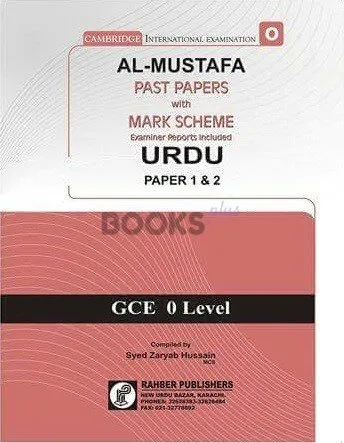
Al Mustafa O Level Urdu P1 and P2 Unsolved Upto Nov 2021
Original price was: ₨1,200.00.₨1,000.00Current price is: ₨1,000.00.
Basant – Book Group
Original price was: ₨800.00.₨700.00Current price is: ₨700.00.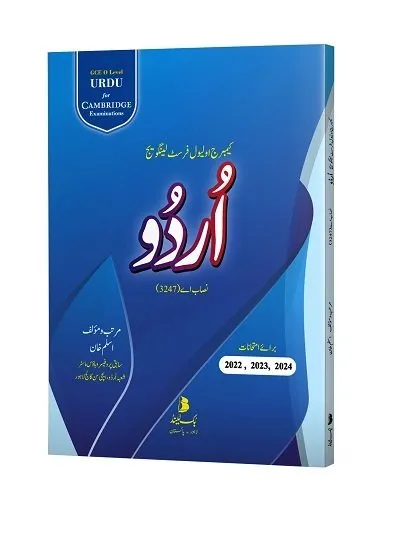
Bookland O Level First Language Urdu Syllabus A 3247
Original price was: ₨1,400.00.₨1,150.00Current price is: ₨1,150.00.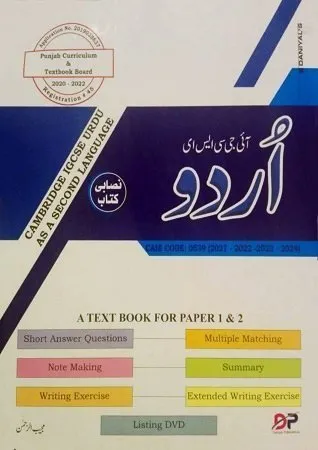
Cambridge IGCSE Urdu Paper 1 and Paper 2 Mujeeb Ur Rehman
Original price was: ₨1,800.00.₨1,550.00Current price is: ₨1,550.00.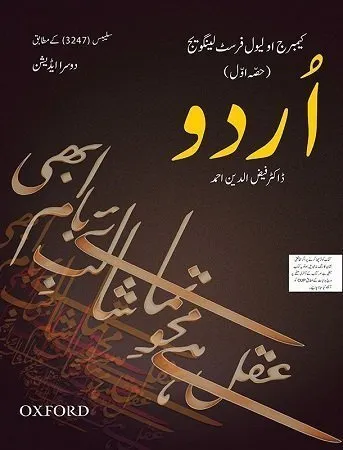
Cambridge O Level First Language Urdu Book 1
Original price was: ₨2,000.00.₨1,750.00Current price is: ₨1,750.00.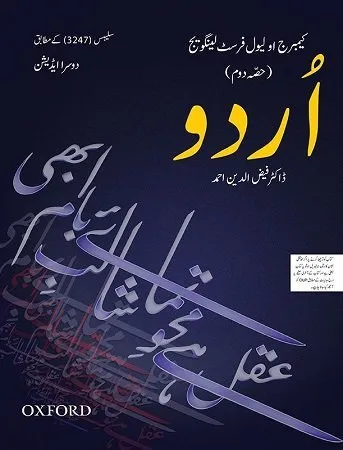
Cambridge O Level First Language Urdu Book 2
Original price was: ₨2,000.00.₨1,650.00Current price is: ₨1,650.00.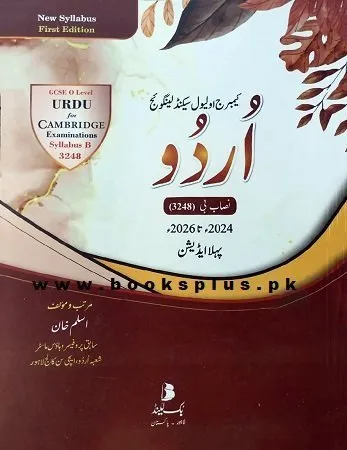
Cambridge O Level Second Language Urdu New Syllabus B Bookland
Original price was: ₨1,500.00.₨1,250.00Current price is: ₨1,250.00.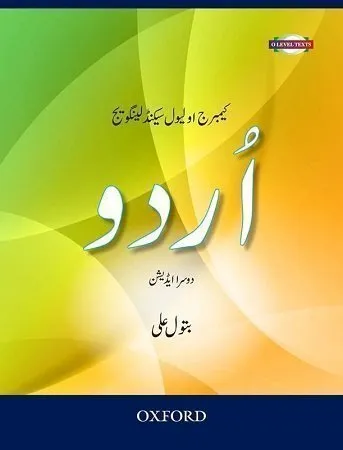
Cambridge O Level Second Language Urdu-Oxford Batool Ali
O Level & IGCSE Books Available, O Level Business Studies Books Available, O Level Urdu Books Available
Original price was: ₨1,500.00.₨1,300.00Current price is: ₨1,300.00.
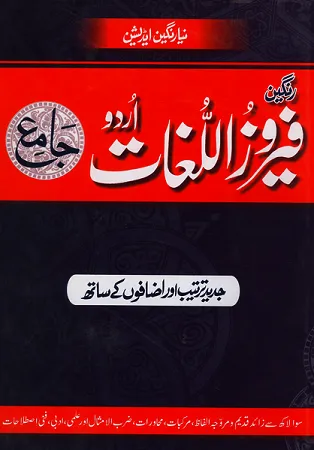
Feroz Ul Lughat Urdu Jamay Rangeen
Original price was: ₨4,500.00.₨4,000.00Current price is: ₨4,000.00.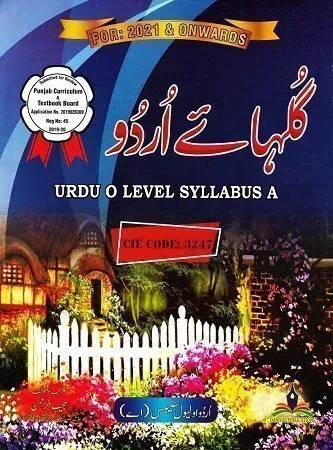
Gulha-e Urdu O level Syllabus A
Original price was: ₨1,000.00.₨800.00Current price is: ₨800.00.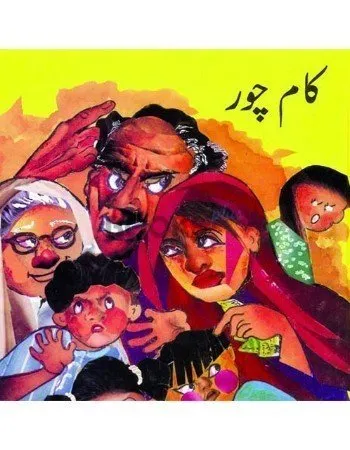
Kaam Chor – Book Group
Original price was: ₨1,000.00.₨700.00Current price is: ₨700.00.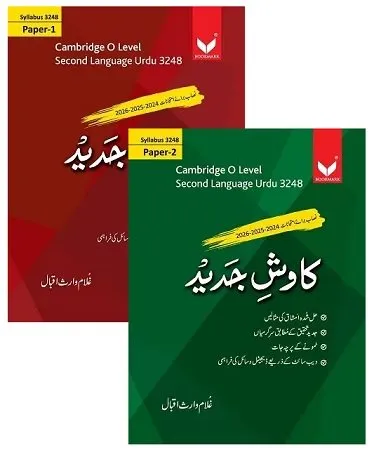
Kawish e Jadeed Cambridge O Level 2nd Language Urdu Syllabus 3248 Paper 1 and Paper 2
Original price was: ₨4,300.00.₨3,900.00Current price is: ₨3,900.00.O Level Urdu Books in Pakistan — Cambridge O Level Preparation
O Level Urdu is the Cambridge subject that most Pakistani students assume requires no preparation. First language Urdu speakers think fluency is enough. It isn't. Cambridge O Level Urdu tests academic Urdu — formal writing, literary comprehension, precise translation, and structured composition in registers that everyday spoken Urdu doesn't develop automatically. Students who go into the examination on fluency alone consistently find marks lower than expected. The ones who prepare specifically for Cambridge examination format perform considerably better than their general Urdu ability would predict.
What Cambridge O Level Urdu Actually Tests
Cambridge O Level Urdu covers reading comprehension, directed writing, summary writing, and composition across two papers. Each component tests specific skills — and each rewards examination-specific preparation rather than general language ability.
Paper 1 has comprehension questions, a summary task, and directed writing. Comprehension questions require precise answers drawn from the passage — not general knowledge of the topic. Students who write what they know about a subject rather than what the passage actually says lose marks on every comprehension question. The passage contains the answers. Reading it carefully and locating precise relevant details is the skill these questions test.
The summary task requires condensing a passage into a specified word count covering specified points. Students who write everything they understood about the passage rather than the specific points required and within the word limit lose marks on both content and form simultaneously. Summary writing is a specific skill — selecting the most relevant information, expressing it concisely in own words, staying within the word limit — that needs deliberate practice.
Directed writing asks students to produce a specific piece of writing — letter, report, speech, article — using information from the passage and writing in appropriate format for a specified audience. Format marks come before content marks. A formal letter needs correct layout. A report needs headings and formal register. A speech needs direct address to the audience. Students who write directed writing as general essays lose format marks regardless of content quality.
Paper 2 is composition — extended writing tasks requiring students to produce well-organized, formally correct Urdu prose on given topics. Cambridge rewards clear structure, appropriate vocabulary, grammatical accuracy, and writing that addresses the topic specifically rather than producing general Urdu prose that happens to mention the topic.
Formal Written Urdu — Different From Everyday Urdu
This is where most Pakistani students struggle with O Level Urdu — the gap between how they speak and write informally and what Cambridge formal written Urdu requires. Everyday conversational Urdu uses simpler vocabulary, incomplete sentences, and informal register. Formal written Urdu — the register Cambridge tests — uses different vocabulary choices, complete grammatical sentences, and formal structures that informal usage doesn't develop.
Students who read Urdu newspapers, literary magazines, or formal Urdu prose regularly develop this formal register more naturally than those who only encounter Urdu in conversation and informal contexts. The reading habit matters for Urdu in the same way it matters for English — exposure to formal written Urdu builds the vocabulary and register awareness that Cambridge composition rewards.
Comprehension — Precision Over Volume
Comprehension marks in O Level Urdu go to precise relevant answers — not lengthy responses that demonstrate general understanding. One-mark questions need one precise answer from the passage. Writing paragraphs for one-mark questions earns one mark and wastes time the examination doesn't have.
Inference questions require reading what the passage implies rather than what it literally states. Students who look for exact words from the passage miss inference marks consistently. The passage implies certain things without stating them directly — identifying what is implied requires careful reading and interpretive thinking, not just locating information.
Summary Writing — The Most Neglected Skill
Summary writing appears in Paper 1 and is consistently the component that students prepare for least. The task is specific — identify the required points from the passage, express them concisely in own Urdu words within the specified word limit, without adding personal opinion or information from outside the passage.
Students who paraphrase closely rather than genuinely restating in own words, who exceed the word limit, or who include personal additions to the passage content lose marks on all three dimensions simultaneously. Practicing summary writing specifically — with past paper tasks and checking against mark schemes — is the only preparation that actually builds this skill.
O Level Urdu & Islamiyat — Common Combination
Urdu and Islamiyat get combined frequently among Pakistani Cambridge students. The classical Urdu literary tradition draws heavily on Islamic themes — Urdu poetry especially has deep connections to Islamic thought, Sufi tradition, and Persian literary culture that Islamiyat study illuminates. Students taking both find the subjects genuinely enrich each other. Our O Level Islamiyat section has preparation material for students combining both subjects.
O Level Urdu & English — Building Bilingual Academic Skills
Students who develop strong academic writing skills in both Urdu and English build genuine bilingual literacy that Pakistani universities and employers recognize. The analytical reading and structured writing habits developed through O Level Urdu support academic performance across other subjects that involve reading passages or writing extended answers. Our O Level English section has preparation material for students building academic skills in both languages simultaneously.
O Level Urdu to A Level
A Level Urdu builds on O Level foundations — going deeper into literary analysis, formal composition, and critical reading of Urdu texts. Students with strong O Level foundations find A Level more manageable. Our A Level Urdu section has preparation material for students making that transition.
Ordering — What to Know
Cash on delivery available across all cities in Pakistan — Karachi, Lahore, Islamabad, Peshawar, Quetta, Multan, Faisalabad and everywhere else. Dispatch within 2 to 3 working days. Returns within 7 days if something doesn't match your syllabus or examination session.
Common Questions O Level Urdu Students Ask
Is fluency in Urdu enough for O Level? No — Cambridge tests formal academic Urdu specifically. Fluency helps but directed writing format, summary technique, and formal composition register all need specific preparation.
Which component is hardest? Summary writing for most students — it requires condensing passage content precisely within a word limit using own words, which is a specific skill that doesn't develop without deliberate practice.
Does O Level Urdu lead to A Level? Yes directly — A Level builds on O Level foundations in literary analysis and formal composition.
COD available? Yes, all cities across Pakistan.
Call or WhatsApp: +92 302 1955110